
Literary Crossroads: How a UK Supply Halt Ignited a Sally Rooney Sales Boom
Sally Rooney's books face UK supply issues over a political donation, but Irish booksellers are defying restrictions, leading to an unexpected sales boom and gl
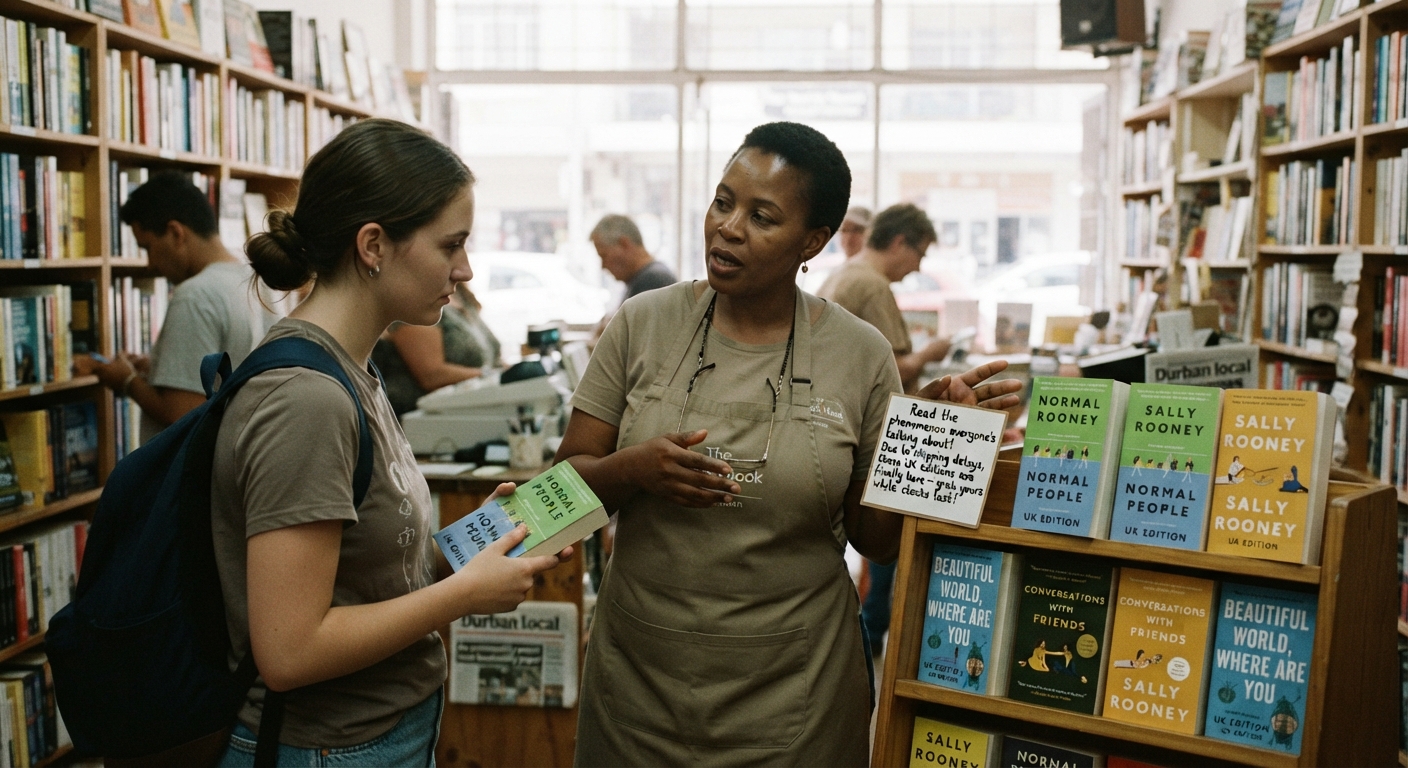
A storm brewing in the international literary world over bestselling author Sally Rooney’s political stance has inadvertently created a fascinating retail ripple effect, demonstrating the resilience and adaptability of independent businesses. What began as a publisher’s ethical dilemma in the United Kingdom has morphed into an unexpected sales surge for booksellers leveraging cross-border logistics, sending a clear message: a determined reader will find their book.
A Publisher's Predicament
The controversy centres around Irish author Sally Rooney’s decision to donate her UK earnings to Palestine Action, a group proscribed by the UK government under anti-terrorism laws since July 2023. This declaration placed her UK publisher, Faber, in an untenable position. While the books themselves are not banned, Faber announced in mid-October that it could no longer distribute Rooney's titles within the UK. The core issue: it was deemed "unconscionable" to sell a writer's work if the publisher could not legally transfer earnings to an author who intended to pass them on to a proscribed organisation. This move effectively halted the normal replenishment of Rooney's popular novels, such as "Normal People" and "Beautiful World, Where Are You," on British shelves through Faber’s distribution network.
Borderline Business Acumen
However, the geographical and political complexities of the British Isles quickly offered a unique workaround. Jenni Doherty, owner of Little Acorns Bookstore in Londonderry, Northern Ireland, found herself perfectly positioned to navigate this literary impasse. While Londonderry is part of the UK, its proximity to the Republic of Ireland, an EU member state, allows Doherty to source Rooney’s books through Irish distributors. Crucially, Palestine Action is not prohibited in Ireland, where Rooney resides, meaning Irish sales and earnings face no such restrictions.
Doherty's solution has turned a potential scarcity into a boon. "We're not banned from selling the books. We can still have access to the books," Doherty explained, surrounded by stacks of Rooney's work. Her shop now dispatches titles to customers across Britain and beyond, bypassing the UK distribution gridlock.
The Unforeseen Upswing
The supply restrictions have not dampened demand; rather, they have intensified it. This unusual situation has attracted a wave of "new customers" to Little Acorns Bookstore, eager to obtain Rooney’s highly sought-after novels. The controversy has ironically propelled Rooney’s work into broader public consciousness, sparking increased interest and demand. What could have been a retail setback has instead become a testament to market ingenuity, with shelves now prominently displaying books that were once simply alphabetised, sparking genuine conversations among readers.
The Durban, KwaZulu-Natal Angle
This international literary kerfuffle, though seemingly distant, holds relevant lessons for Durban, KwaZulu-Natal. As a major port city, Durban is intimately familiar with the intricacies of global supply chains and the impact of international policy on commerce. This scenario highlights how seemingly niche political or ethical decisions can disrupt established distribution networks, forcing businesses to innovate and adapt. For Durban’s robust small business sector, the story of Little Acorns Bookstore serves as an inspiring example of resilience and creative problem-solving in the face of market challenges.
Furthermore, in a city that prides itself on its rich cultural tapestry and diverse communities, access to a wide array of voices and perspectives, including those in literature, is paramount. The debate surrounding Rooney’s books underscores the broader importance of freedom of expression and the complex interplay between art, commerce, and geopolitics—themes that resonate deeply within South Africa's own history and ongoing societal discourse. For Durban, understanding these global shifts is vital for maintaining its status as a vibrant economic and cultural hub.
Source: IOL News