
Gauteng's Coalition Chess Game: A National Litmus Test with Echoes for KZN
Explore the intense coalition battles in Gauteng's metros and their critical implications for political stability, investment, and municipal services across…

The political landscape of South Africa is currently defined by an intense high-stakes game of coalition chess, playing out across Gauteng’s three economic powerhouses: Johannesburg, Tshwane, and Ekurhuleni. Following the recent local government elections, no single party secured an outright majority, plunging these crucial metros into a fierce scramble for power. The outcomes of these delicate negotiations are poised to shape not only the future of Gauteng but also offer significant insights into the broader political stability of the nation, with direct and indirect implications for KwaZulu-Natal.
The Battle for Gauteng's Metros
The clock is ticking for political parties to forge alliances and establish functional municipal administrations within the next fortnight. Key players like the Economic Freedom Fighters (EFF) and ActionSA have officially commenced formal coalition discussions, aiming to carve out power-sharing agreements. These critical meetings, which also include engagements with the African National Congress (ANC) and others, are geared towards electing speakers and executive mayors, who will then appoint their mayoral committees to oversee vital municipal departments. Initial reports from both EFF and ActionSA describe their first encounters as positive, underscoring a shared commitment to political stability and enhanced service delivery.Ideological Divides and Sticking Points
Despite the perceived positive start, the path to stable governance is fraught with significant hurdles. ActionSA’s national chairperson, Michael Beaumont, confirmed discussions with multiple parties, including the ANC, and signaled readiness to meet with the Democratic Alliance (DA) and uMkhonto weSizwe (MK) Party. However, a major flashpoint emerged from ActionSA leader Herman Mashaba, who unequivocally rejected any coalition with the DA. Mashaba, citing the DA's "racist" past and accusing them of betraying Black voters, has introduced a contentious ideological barrier that could severely narrow ActionSA's options and complicate the overall negotiation tapestry. The EFF, for its part, insists any agreement must prioritise community needs and uphold its core principles.The Durban, KwaZulu-Natal Angle
While the immediate spotlight is on Gauteng, the intricate coalition negotiations resonate deeply within KwaZulu-Natal, particularly for Durban (eThekwini) and the broader KZN coast. The political wrangling observed in Johannesburg, Tshwane, and Ekurhuleni serves as a potent reminder of the challenges inherent in multi-party governance. eThekwini itself is no stranger to complex political dynamics, having historically navigated various power balances between parties like the ANC, IFP, DA, and EFF.The stability (or instability) of these major national metros can ripple outwards, affecting investor confidence, national economic policy, and the allocation of critical resources—factors directly impacting Durban’s vital port operations, thriving tourism sector, and local businesses. A fragmented or unstable national political environment could translate into delays in infrastructure projects, disruptions in municipal services, or a hesitant investment climate that hinders KZN's growth ambitions. As the "Durban Coastal News" audience knows, reliable municipal services are the bedrock of our coastal communities, from Ballito to Umhlanga. These Gauteng negotiations are not just about local power there; they are a national political barometer, signaling the future of governance and the collective ability of South Africa’s political class to deliver effective, stable leadership. KZN watches closely, understanding that Gauteng's challenges today could be a mirror for its own tomorrow.
With the November 25/26 deadline looming for the first council sittings, the pressure mounts on political formations to secure enough support to elect mayors and establish administrations. The outcomes in Gauteng will provide a crucial precedent, highlighting the complexities and compromises necessary for successful coalition governance in a new era of South African politics—lessons that KwaZulu-Natal cannot afford to ignore.
Source: IOL News

Heartbreak for SA Pets? US Refugee Path Excludes Furry Family Members
South Africans seeking refuge in the US face a difficult choice: their beloved pets aren't covered by resettlement. This policy sparks debate and hits home for

KZN Commissioner's Hawks Bid: Hope Amidst Deep Police Systemic Challenges
Lt-Gen Mkhwanazi's proposed Hawks leadership offers hope for systemic police reform, but an MP warns against deep-seated issues. Critical for Durban & KZN.

KZN On Alert: Free State Murders Cast Shadow Over 16 Days Against GBV
As Free State reels from two horrific murders, Durban Coastal News explores the national femicide crisis and KwaZulu-Natal's vital role in the upcoming 16 Days

Global Cruise Dream Runs Aground: Singapore Seizure Echoes Warnings for KZN
The luxury cruise ship Odyssey is impounded in Singapore, leaving passengers stranded. Explore what this global maritime saga means for Durban's port and KZN…

Coastal Communities Demand Action: New KZN Councillors Urged to Prioritise Delivery
Newly elected local government officials across Durban and the KZN coast are under pressure to prioritize service delivery, transparency, and accountability…
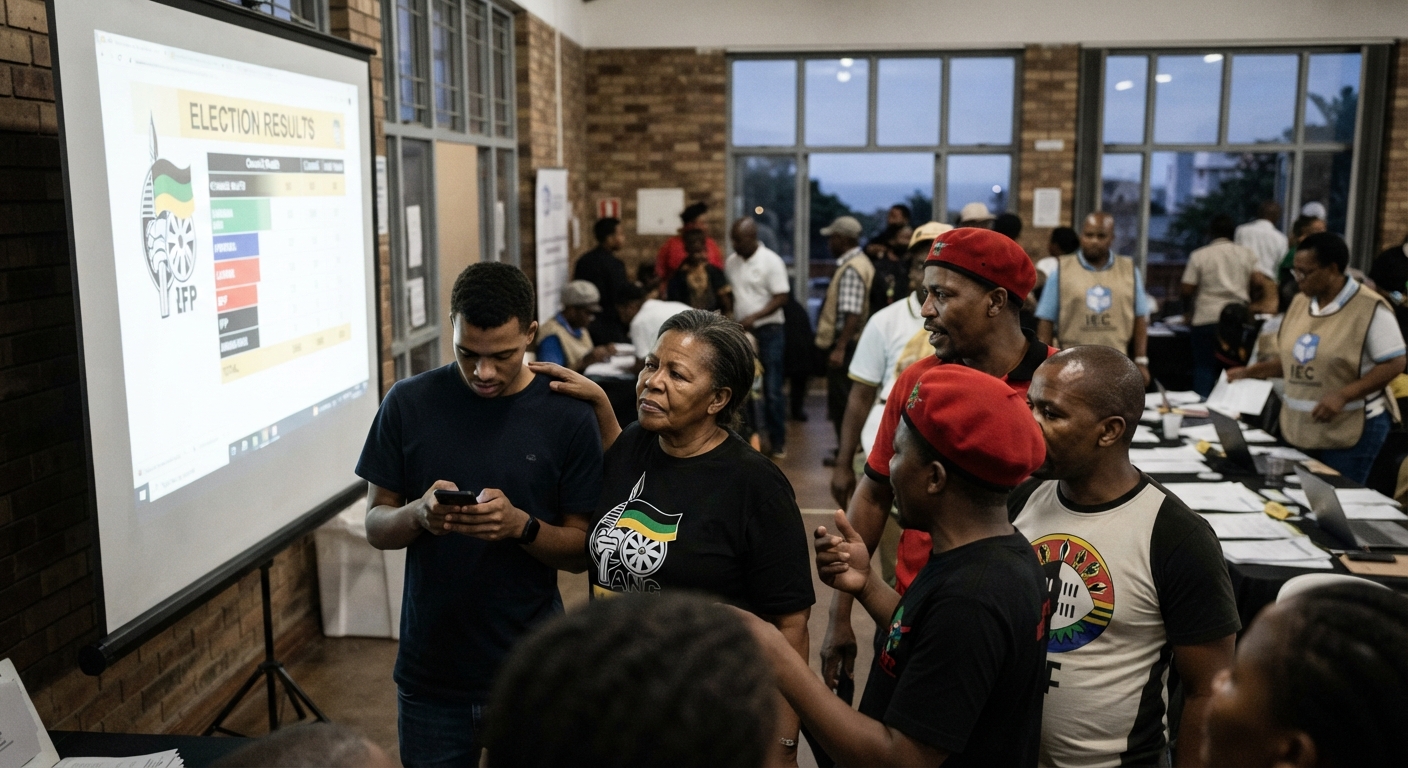
KZN Shores Brace for Coalition Wave: Local Election Results Signal New Political Dawn
The 2026 Local Government Elections signal a major shift for KZN municipalities, with coalition governments now essential. Discover the implications for Durban
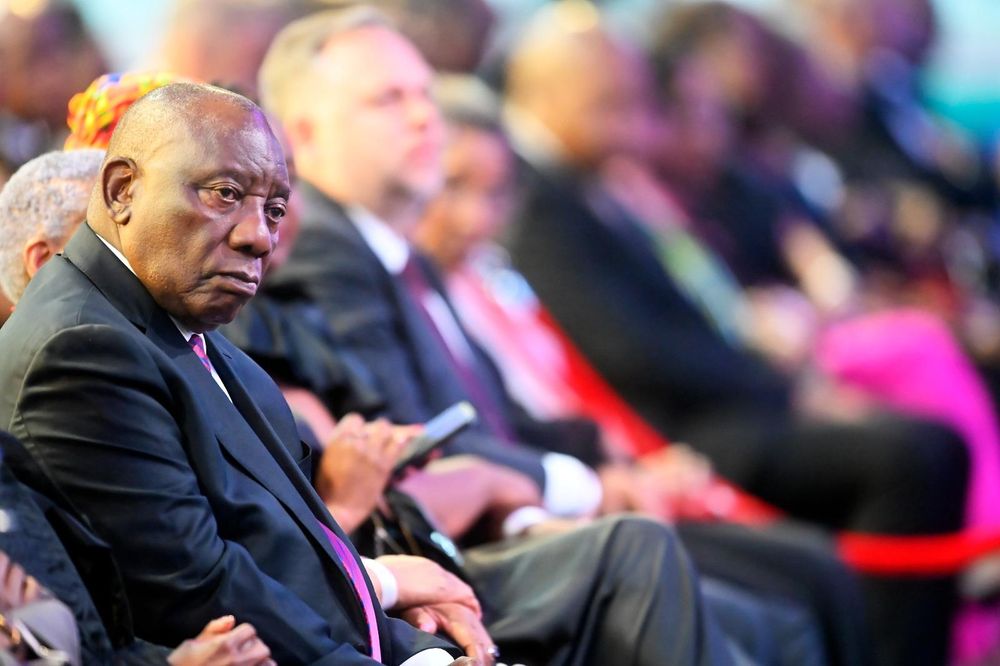
eThekwini at a Crossroads: MK Party Leads, Coalition Battles Loom for Durban's Future
The 2026 local elections reshape Durban's political landscape as the MK Party leads eThekwini, sparking crucial coalition talks and questions for service…